
The Complete Clinical and Procurement Guide to Modern Dental Handpieces
When it comes to modern dentistry, the dental handpiece stands as one of the most indispensable tools in any clinical setting. Whether you are a practicing dentist, a procurement specialist for a dental clinic, or a distributor looking to understand the nuances of dental equipment, comprehending the full spectrum of handpiece technology is essential. From the precision of a dental high speed handpiece to the specialized functionality of a dental surgical handpiece, and from the cleaning power of a hygiene handpiece to the versatility of dental hygiene handpieces, each tool serves a distinct purpose in delivering exceptional patient care.
In this comprehensive guide, we will explore the evolution, applications, maintenance protocols, and selection criteria for every major category of dental handpiece. By understanding the engineering behind these instruments and the clinical contexts in which they excel, you can make informed decisions that enhance both operational efficiency and patient outcomes.
Understanding the Dental Handpiece: A Foundation of Modern Dentistry
The term dental handpiece encompasses a broad range of rotary instruments used in restorative dentistry, oral surgery, endodontics, prophylaxis, and periodontal therapy. At its core, a dental handpiece is designed to transmit rotational energy to a bur, polisher, or cutting instrument, enabling clinicians to remove decay, shape tooth structure, polish restorations, and perform surgical interventions with remarkable accuracy.
Historically, dental handpieces were air-driven, belt-driven, or even manually operated. Today's advanced models leverage sophisticated turbine systems, fiber-optic illumination, and ergonomic designs that minimize operator fatigue while maximizing clinical performance. The modern dental handpiece is not merely a tool—it is a precision instrument engineered to meet the exacting demands of contemporary dental practice.
What sets a high-quality dental handpiece apart is the seamless integration of power, speed, control, and comfort. For general practitioners, specialists, and hygienists alike, selecting the right dental handpiece directly impacts procedural efficiency, patient comfort, and long-term clinical success.
The Power of Speed: Exploring the Dental High Speed Handpiece
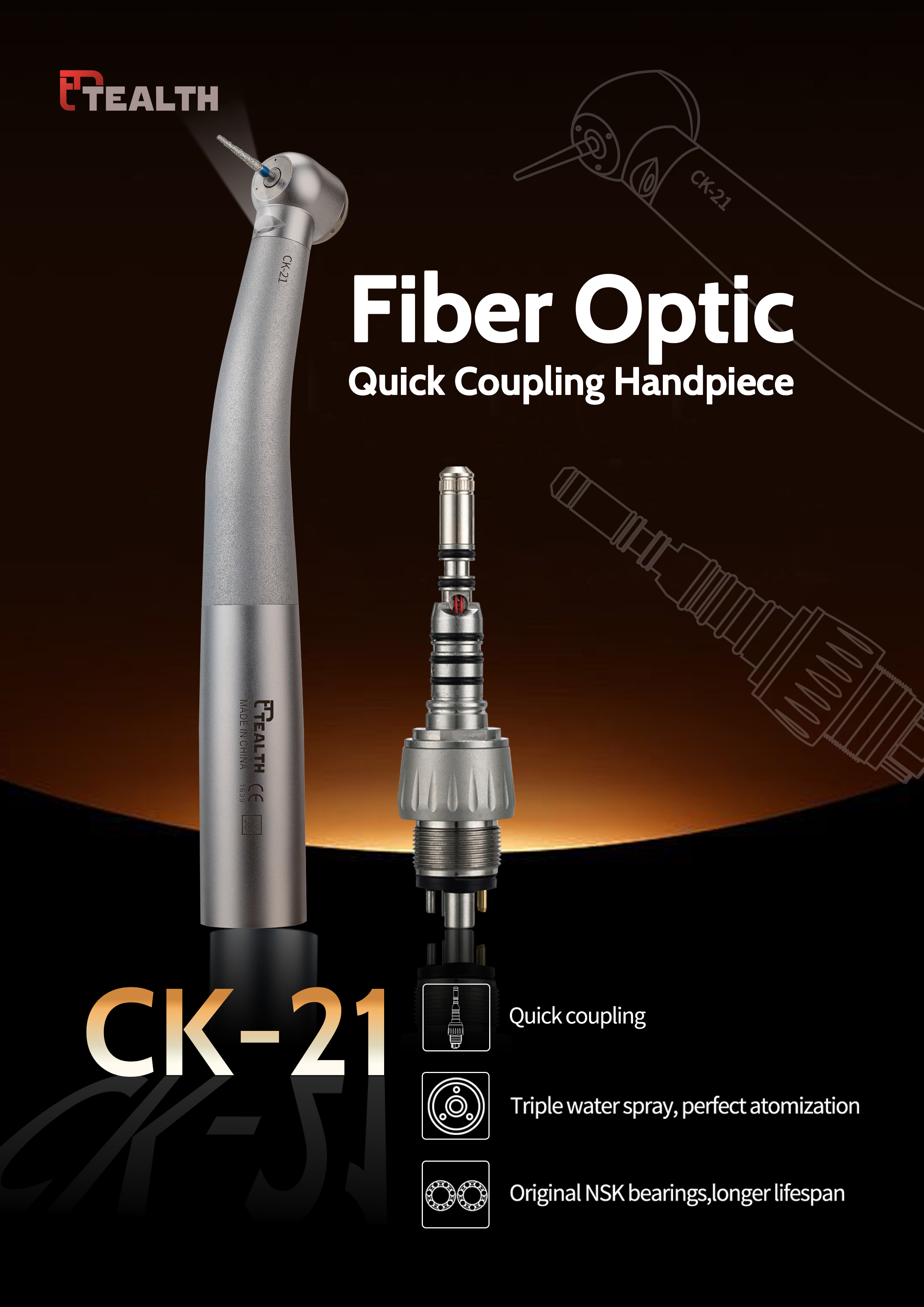
Among all the categories of rotary instruments, the dental high speed handpiece is perhaps the most recognizable and frequently utilized. Operating at speeds ranging from 300,000 to 450,000 RPM (revolutions per minute), a dental high speed handpiece is engineered for cutting enamel, removing old restorations, preparing cavities, and shaping tooth structure with exceptional efficiency.
The defining characteristic of a dental high speed handpiece is its turbine-driven mechanism. Compressed air spins an impeller connected to the bur chuck, generating the extraordinary rotational speeds required for precise tooth preparation. Most contemporary models of dental high speed handpiece incorporate fiber-optic lighting systems that illuminate the operating field, allowing clinicians to visualize intricate details during procedures.
One of the key advantages of a dental high speed handpiece is its ability to reduce chair time. Because it removes tooth structure rapidly and cleanly, patients spend less time undergoing treatment, which enhances overall satisfaction. Additionally, modern designs of dental high speed handpiece feature noise-reduction technologies and vibration-dampening systems that contribute to a more comfortable experience for both patient and practitioner.
Cooling is another critical aspect of any dental high speed handpiece. High-speed rotation generates significant heat, which can damage pulp tissue if not properly managed. For this reason, virtually every dental high speed handpiece on the market today features water spray systems—typically single-port, triple-port, or quadruple-port configurations—that keep the bur and tooth surface cool throughout the procedure.
When selecting a dental high speed handpiece, clinicians should consider factors such as head size, torque output, bearing quality, and compatibility with existing delivery systems. A well-chosen dental high speed handpiece becomes an extension of the clinician's hand, offering the responsiveness and reliability needed for daily practice.
Precision in the Operatory: The Role of the Dental Surgical Handpiece
While general restorative procedures rely heavily on high-speed instruments, oral and maxillofacial surgeons, periodontists, and implantologists depend on the specialized capabilities of a dental surgical handpiece. Unlike standard models, a dental surgical handpiece is purpose-built to withstand the rigors of surgical intervention, including osteotomies, bone contouring, implant site preparation, and crown lengthening procedures.
A dental surgical handpiece is typically characterized by its robust construction, enhanced torque, and compatibility with surgical-length burs and attachments. Many models of dental surgical handpiece are autoclavable at higher temperatures and designed to resist corrosion from sterilization chemicals. This durability is essential in surgical environments where infection control standards are exceptionally stringent.
One of the distinguishing features of a dental surgical handpiece is its ability to operate effectively under irrigation. During osseous surgery or implant placement, copious saline irrigation is necessary to prevent thermal necrosis of bone. A dental surgical handpiece is engineered to maintain consistent performance even when exposed to continuous fluid flow, ensuring precise cutting without compromising motor function.
Ergonomics also play a vital role in the design of a dental surgical handpiece. Surgeons often work in confined oral spaces for extended periods, making weight distribution, grip texture, and button configuration critically important. A thoughtfully designed dental surgical handpiece reduces hand strain and improves tactile feedback, allowing for greater control during delicate procedures.
In recent years, electric-powered versions of the dental surgical handpiece have gained popularity. Unlike air-driven units, an electric dental surgical handpiece delivers constant torque across a wide speed range, eliminating the speed fluctuations that can occur under load. This consistency makes the electric dental surgical handpiece particularly well-suited for implantology, where precision depth and angle control are paramount.
Whether you choose an air-driven or electric model, investing in a reliable dental surgical handpiece is fundamental to achieving predictable surgical outcomes and maintaining the highest standards of patient safety.
Elevating Preventive Care: The Hygiene Handpiece
Preventive dentistry forms the cornerstone of long-term oral health, and the hygiene handpiece plays a central role in delivering effective prophylactic care. A hygiene handpiece is specifically designed for use by dental hygienists during routine cleanings, scaling, polishing, and fluoride application. While it may not receive the same attention as high-speed turbines or surgical motors, the hygiene handpiece is no less important in the continuum of care.
The primary function of a hygiene handpiece is to remove plaque, calculus, and stains from tooth surfaces without damaging enamel or soft tissues. A well-designed hygiene handpiece offers smooth operation, quiet performance, and intuitive controls that allow hygienists to focus entirely on patient care rather than equipment management.
Modern iterations of the hygiene handpiece come in both corded and cordless varieties. Cordless models provide greater freedom of movement and eliminate the clutter of tubing around the operatory, while corded versions offer uninterrupted power for longer procedures. Regardless of configuration, a high-quality hygiene handpiece should deliver consistent RPMs and accommodate a wide range of prophy angles and polishing cups.
Comfort is a defining attribute of an effective hygiene handpiece. Because hygienists often perform dozens of cleanings each week, the weight and balance of the hygiene handpiece directly affect their physical well-being. Lightweight materials, contoured grips, and low-vibration motors are hallmarks of a superior hygiene handpiece.
Infection control is another area where the hygiene handpiece must excel. Since the hygiene handpiece comes into direct contact with saliva, blood, and bacterial biofilm, it must be easily disassembled for thorough cleaning and capable of withstanding repeated sterilization cycles. Manufacturers of premium hygiene handpiece models prioritize smooth surfaces, sealed housings, and quick-release components that simplify the reprocessing workflow.
For clinics seeking to optimize preventive care, equipping hygienists with a reliable hygiene handpiece is a decision that pays dividends in patient satisfaction, clinical efficiency, and staff retention.
Versatility in Prophylaxis: Understanding Dental Hygiene Handpieces
While the singular term hygiene handpiece refers broadly to prophylactic instruments, the plural form dental hygiene handpieces reflects the variety of specialized tools available to support comprehensive periodontal therapy. The category of dental hygiene handpieces includes not only traditional prophy angles but also air-polishing devices, piezoelectric scalers with handpiece attachments, and low-speed contra-angle units used for selective polishing and sealant placement.
The diversity within dental hygiene handpieces allows practices to tailor their preventive protocols to individual patient needs. For example, some patients benefit from traditional rubber-cup polishing using dental hygiene handpieces equipped with disposable prophy angles, while others—particularly those with orthodontic appliances or extensive restorations—may be better served by air-polishing dental hygiene handpieces that use sodium bicarbonate or glycine powders to remove biofilm without damaging tooth structure.
One of the advantages of investing in multiple dental hygiene handpieces is workflow efficiency. When each operatory is equipped with dedicated dental hygiene handpieces, hygienists can move seamlessly between patients without waiting for instrument reprocessing. This reduces downtime and maximizes productivity across the practice.
Maintenance of dental hygiene handpieces is generally straightforward but must be performed consistently. Daily lubrication, proper flushing of water lines, and adherence to manufacturer-recommended sterilization protocols ensure that dental hygiene handpieces remain safe and functional over the long term. Neglecting maintenance not only shortens the lifespan of dental hygiene handpieces but also introduces infection risks that can compromise patient safety.
As preventive dentistry continues to evolve, so too does the technology behind dental hygiene handpieces. Innovations such as LED-integrated dental hygiene handpieces, ergonomic swivel connections, and antimicrobial housing materials are enhancing the performance and safety of these essential instruments. Forward-thinking practices that stay current with advancements in dental hygiene handpieces position themselves to deliver superior care in an increasingly competitive marketplace.
Comparing Handpiece Technologies: Air-Driven vs. Electric Systems
Across all categories—from dental high speed handpiece to dental surgical handpiece to hygiene handpiece—one of the most significant decisions clinicians face is choosing between air-driven and electric systems. Each platform offers distinct advantages depending on the clinical application.
Air-driven handpieces, including most dental high speed handpiece models, are prized for their lightweight construction, lower initial cost, and rapid acceleration. They are ideal for procedures requiring brief bursts of high-speed cutting. However, air-driven units can lose speed under load, which may affect cutting efficiency during demanding preparations.
Electric handpieces, by contrast, deliver constant torque and maintain precise RPMs regardless of resistance. This makes them especially valuable in surgical contexts, where a dental surgical handpiece must cut through dense bone without bogging down. Electric systems also tend to operate more quietly, reducing noise-related anxiety for patients. The trade-off is higher upfront investment and slightly increased weight compared to air-driven alternatives.
Many modern practices adopt a hybrid approach, using air-driven dental high speed handpiece units for routine restorative work while relying on electric dental surgical handpiece systems for implantology and oral surgery. Similarly, many hygiene handpiece models are available in both air and electric variants, giving clinics the flexibility to standardize their inventory based on preference and budget.
Understanding the strengths and limitations of each system empowers practitioners to select the right dental handpiece for every clinical scenario.
Maintenance and Sterilization: Protecting Your Investment
Regardless of type, every dental handpiece represents a significant capital investment. Proper maintenance is essential to protect that investment and ensure patient safety. The protocols for caring for a dental handpiece vary slightly depending on whether it is a dental high speed handpiece, a dental surgical handpiece, or a hygiene handpiece, but several universal principles apply.
First, always follow manufacturer guidelines for lubrication. Most dental handpiece models require daily oiling to keep internal bearings running smoothly. Failure to lubricate a dental handpiece regularly leads to premature wear, overheating, and eventual failure.
Second, purge water lines before and after each use. This prevents biofilm buildup inside the dental handpiece and maintains clean water delivery during procedures. For hygiene handpiece units, this step is particularly important because patients are highly sensitive to water quality during cleanings.
Third, sterilize according to recommended parameters. Autoclaving a dental surgical handpiece or dental high speed handpiece at incorrect temperatures can warp components or degrade seals. Always verify that your sterilization cycles align with manufacturer specifications for each dental handpiece in your inventory.
Fourth, inspect regularly. Before each use, examine your dental handpiece for cracks, loose components, or irregular noise. Catching problems early prevents costly repairs and potential clinical complications.
Finally, train staff comprehensively. Every team member who handles a dental handpiece—whether a dentist, hygienist, or assistant—should understand proper care procedures. Consistent handling extends the life of every dental handpiece in your practice and upholds the highest standards of infection control.
Selecting the Right Dental Handpiece for Your Practice
Choosing the optimal dental handpiece involves balancing clinical requirements, budget considerations, and ergonomic preferences. Start by assessing the primary procedures performed in your practice. If restorative dentistry dominates your schedule, prioritize a high-performance dental high speed handpiece with excellent torque and lighting. If you perform implants or surgical extractions, allocate resources toward a premium dental surgical handpiece with constant torque and superior irrigation capacity.
For hygiene-focused practices, invest in multiple hygiene handpiece units to streamline patient turnover and reduce cross-contamination risks. Consider stocking a range of dental hygiene handpieces to accommodate different prophylactic techniques, from traditional polishing to air abrasion.
Compatibility is another crucial factor. Ensure that any new dental handpiece integrates seamlessly with your existing delivery system, couplers, and maintenance equipment. Mixing proprietary systems can lead to unnecessary complexity and expense.
Finally, evaluate warranty coverage and service support. A reputable manufacturer stands behind its dental handpiece products with responsive technical support, readily available parts, and clear repair policies. This peace of mind is invaluable when equipment downtime directly affects patient care.
The Future of Dental Handpiece Technology
As dental technology continues to advance, the dental handpiece is evolving in exciting ways. Manufacturers are exploring brushless motor technology, integrated diagnostic sensors, and smart connectivity that tracks usage patterns and maintenance schedules. Some next-generation dental high speed handpiece models feature adaptive speed control that automatically adjusts RPM based on tissue density, while experimental dental surgical handpiece designs incorporate haptic feedback to guide surgeons during implant placement.
Even the humble hygiene handpiece is benefiting from innovation. Cordless designs with lithium-ion batteries now offer all-day runtime, and antimicrobial coatings are being applied to dental hygiene handpieces to inhibit bacterial colonization on exterior surfaces.
These developments point toward a future in which every dental handpiece is not just a mechanical tool but an intelligent instrument capable of enhancing clinical decision-making and improving patient outcomes.
Conclusion
From the cutting precision of a dental high speed handpiece to the surgical reliability of a dental surgical handpiece, from the everyday utility of a hygiene handpiece to the versatile applications of dental hygiene handpieces, these instruments collectively define the clinical capabilities of modern dental practices. Understanding the unique characteristics, maintenance requirements, and selection criteria for each type of dental handpiece enables practitioners to build efficient, effective, and future-ready operatory environments.
Investing in high-quality dental handpiece technology is not merely a purchasing decision—it is a commitment to excellence in patient care. Whether you are equipping a new practice or upgrading legacy equipment, the right dental handpiece choices will serve you, your team, and your patients for years to come.
By prioritizing performance, durability, ergonomics, and infection control in every dental handpiece acquisition, you lay the foundation for a thriving practice built on precision, trust, and clinical distinction.